EPOXY FLOORING
COMMERCIAL & INDUSTRIAL EPOXY FLOORING
Durable, chemical and abrasion-resistant epoxy coatings for factories, warehouses and industrial floors. Installed by approved applicators, backed by a written guarantee on every job. Free site inspections in and around Gauteng.
Established 2016 · 50+ years combined experience · Approved applicators · Written guarantees on all work

NOT SURE WHAT YOUR FLOOR NEEDS? WE CAN HELP
You need a professional consultation, but beware of the bakkie brigade, there are a lot of cowboys out there. We are approved applicators for several of the major manufacturers in South Africa, and we give written guarantees on all our work.
I’ll come out and do a free site visit myself. During the visit, I’ll do a detailed examination of your floor, including concrete hardness (normally a Schmidt hammer test), porosity, and what type of surface contaminants are present. From there, I’ll suggest a few options so you can make an informed decision on what works for your budget.
We specialise in commercial and industrial work (factories, offices, workshops). Give us a call, at the very least, you’ll get a professional opinion on your floor, and it won’t cost you a thing.
TYPES OF EPOXY WE INSTALL
There’s a wide range of manufacturers in South Africa, most of them good, and each one offers a range of epoxies to suit different jobs (we don’t manufacture but we specialise in installing epoxy floors).
Thin coat epoxies (under 1mm) are designed to be rolled on. They can be one-part or two-part (a resin and an activator), and are usually heat- or air-cured.
Thick coat epoxies are typically applied between 1mm and 5mm, sometimes more. These are bulked up with a filler for structure, then pulled with a rake and back-rolled.
Epoxies are also rated by “solids” content; the higher the solids, the stronger the epoxy. Beyond that, you’ll find food-grade epoxy, phenolic epoxy (acid-resistant), heat-resistant epoxy, flake epoxy, and more.
Just to confuse you further, there are several types of resin:
- Epoxy: what most people picture when they think of industrial flooring
- Polyurethane: softer than epoxy, but more flexible
- Polyaspartic: combines the best qualities of polyurethane and epoxy
At Professional Flooring Solutions, we are approved applicators of all types of epoxy flooring.
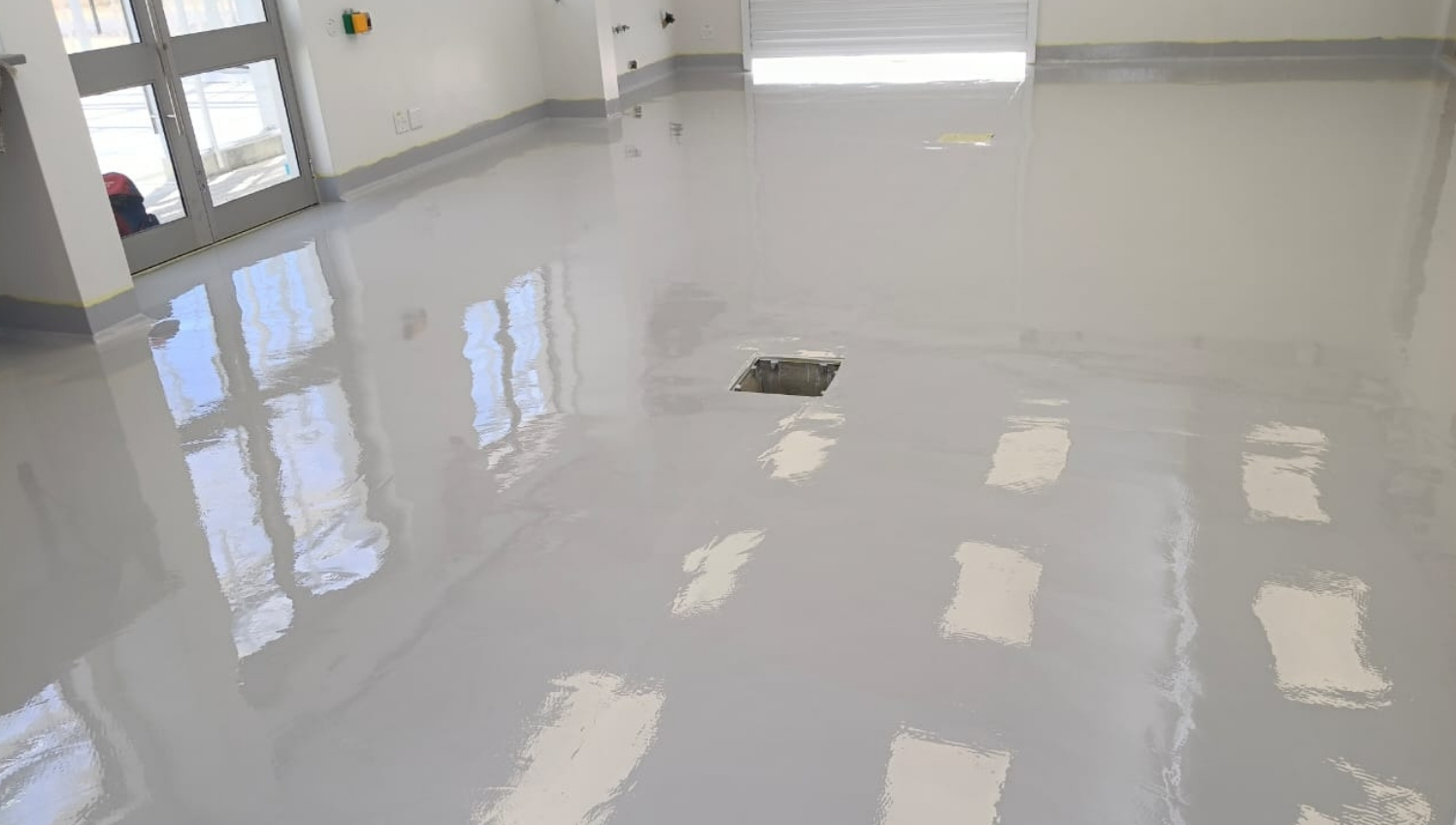
High Build Epoxy
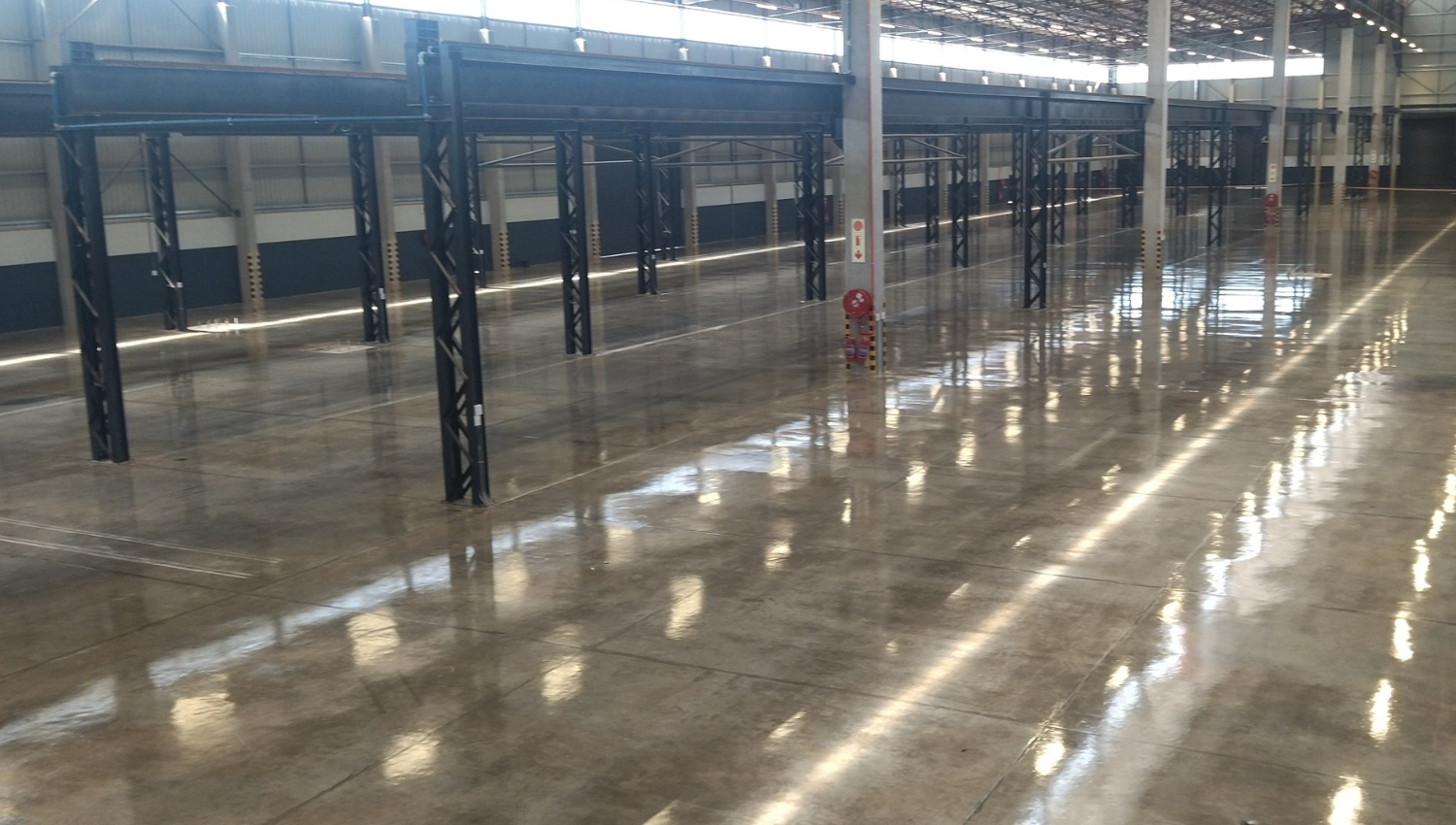
Clear Epoxy
BOOK A FREE SITE VISIT TODAY
Get a professional site inspection and consultation on your factory, warehouse, or butchery floor.
I’ll come out and do a free site visit myself. During the visit, I’ll do a detailed examination of your floor, including concrete hardness (normally a Schmidt hammer test), porosity, and what type of surface contaminants are present. From there, I’ll suggest a few options so you can make an informed decision on what works for your budget.
CALL JOHN: 076 187 9644
FOOD-SAFE & FOOD-GRADE EPOXY FLOORING
Running a butchery, food prep area, or processing facility? We install food-grade epoxy systems designed to meet the hygiene and cleanability standards these environments demand; non-porous, chemical-resistant, and easy to keep spotless.
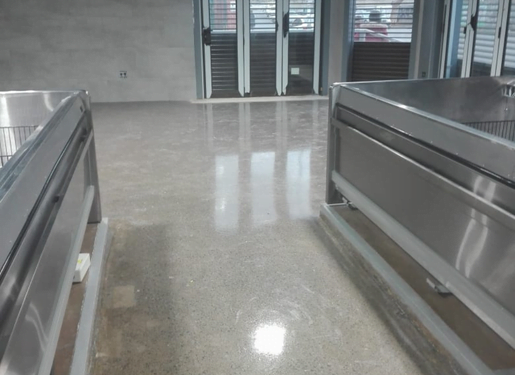
HOW TO CHOOSE THE RIGHT EPOXY
In industrial settings, the right epoxy comes down to what the floor’s exposed to and how much load it takes, not how it looks.
Heavy foot traffic and chemical spills? You’ll want a high-solids coating epoxy for abrasion and chemical resistance. Running heavy machinery or need structural reinforcement? You need a structural-grade bonding epoxy, built for high shear strength and vibration resistance. For tougher environments, there’s marine-grade epoxy for moisture exclusion, or high-temperature epoxy that holds up above 150°C.
Get in touch with me to discuss your specific needs.
HERE'S WHAT WE CAN DO FOR YOUR FLOOR
Before Epoxy
After Epoxy
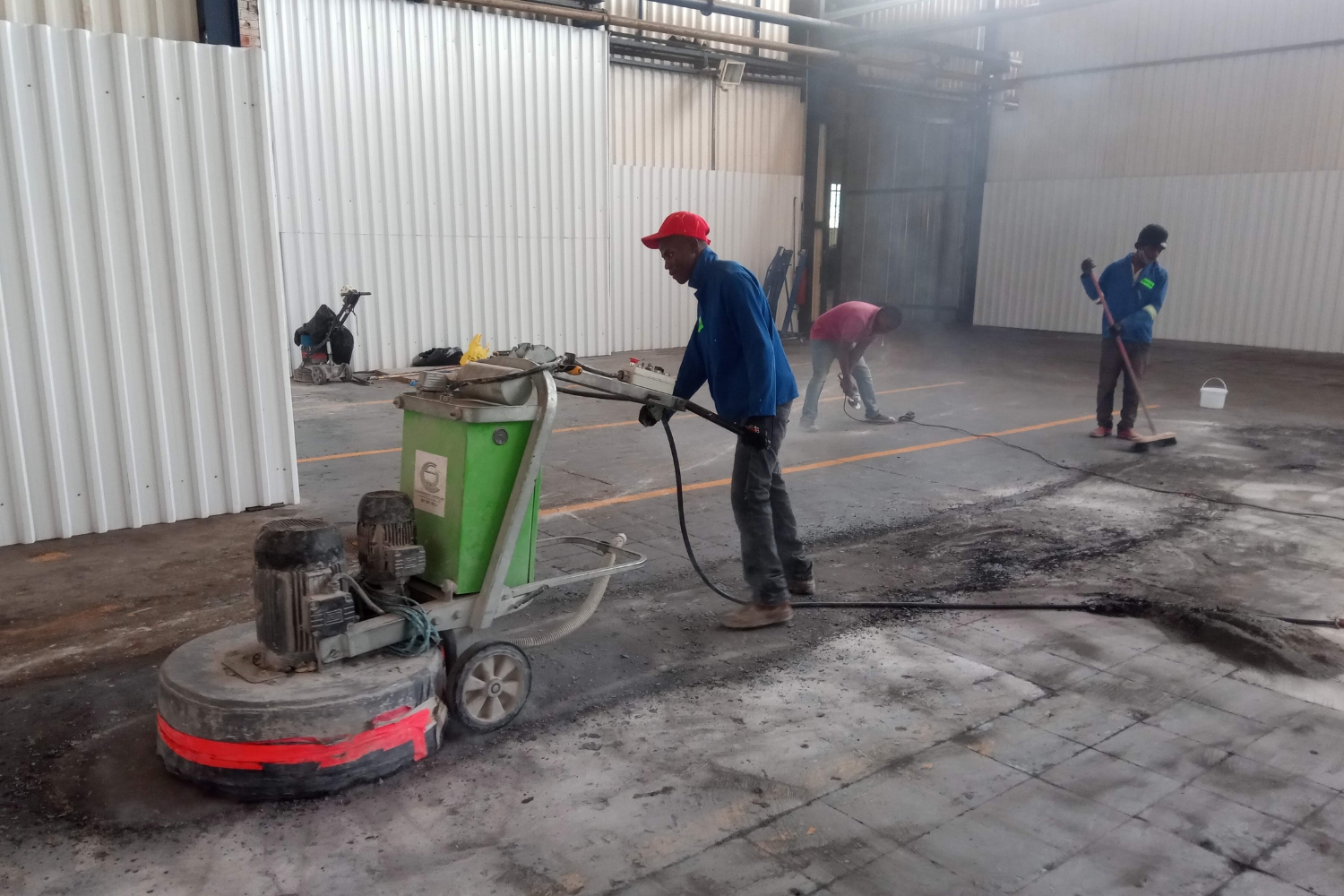
Kya Warehouse Before Epoxy - Grinding Floor to Remove Contaminants
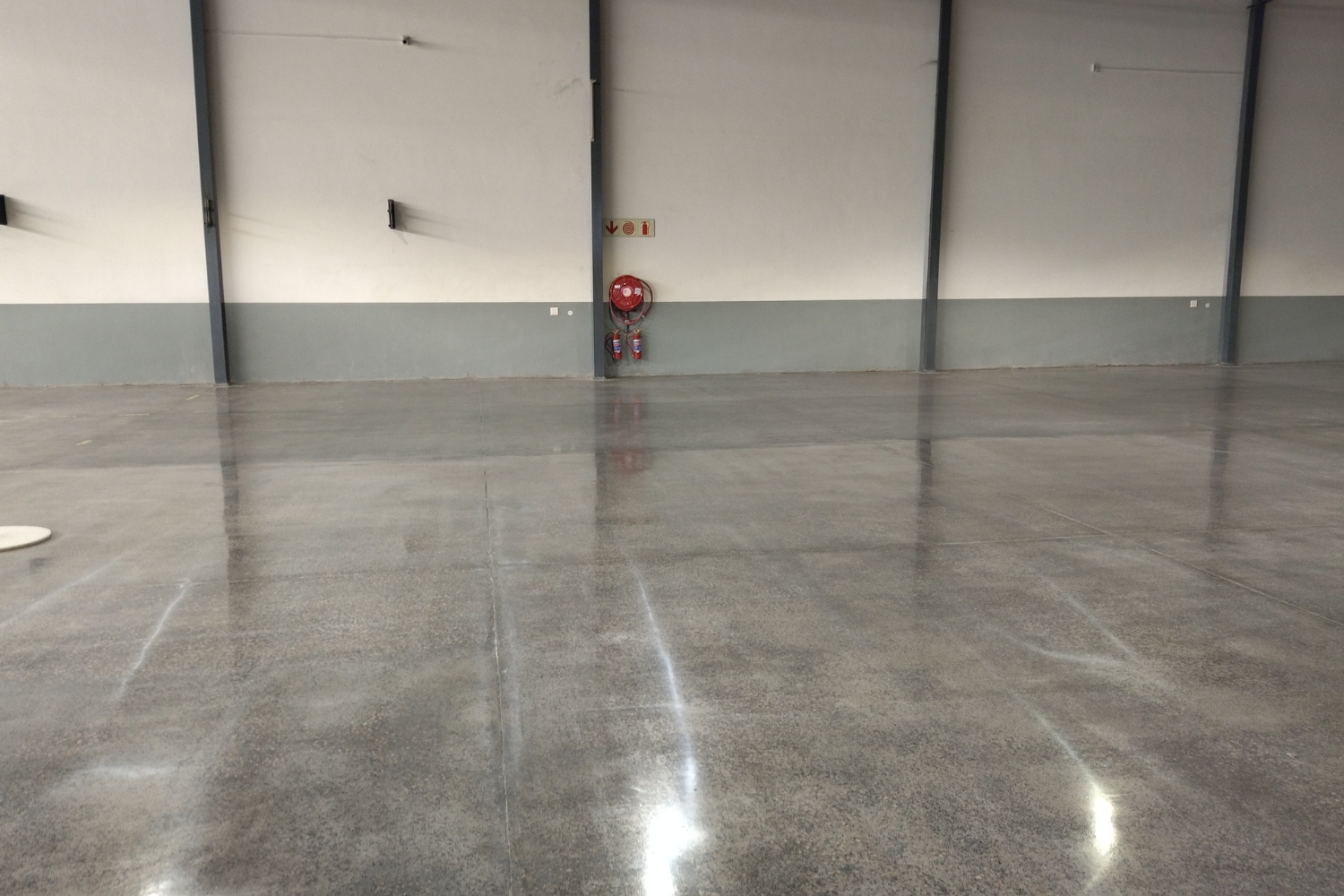
Kya Warehouse After Epoxy - Finished with MM Combo and Burnished
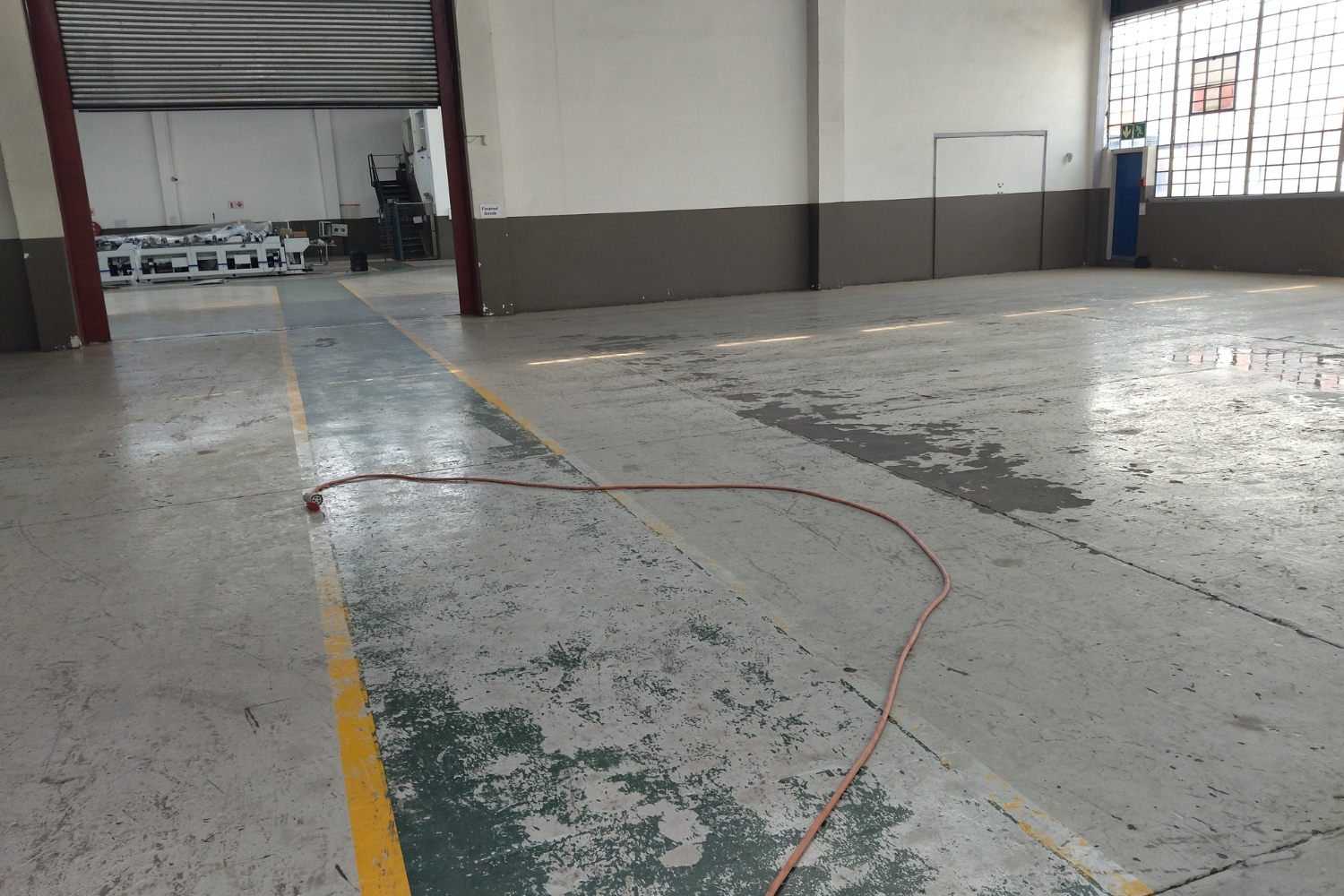
Factory Floor Before With Old, Worn Epoxy
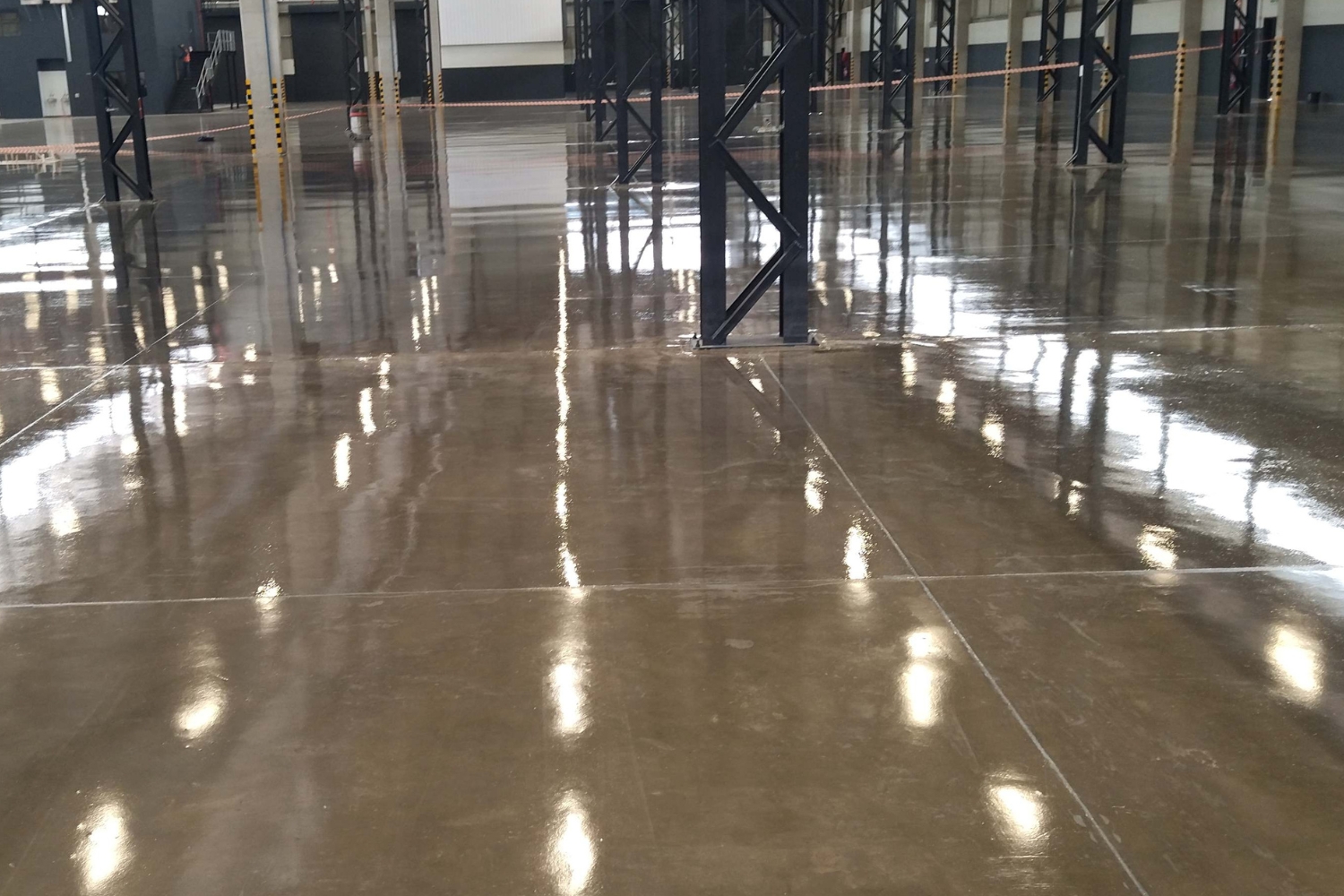
Factory Floor After Epoxy With Silane Finish
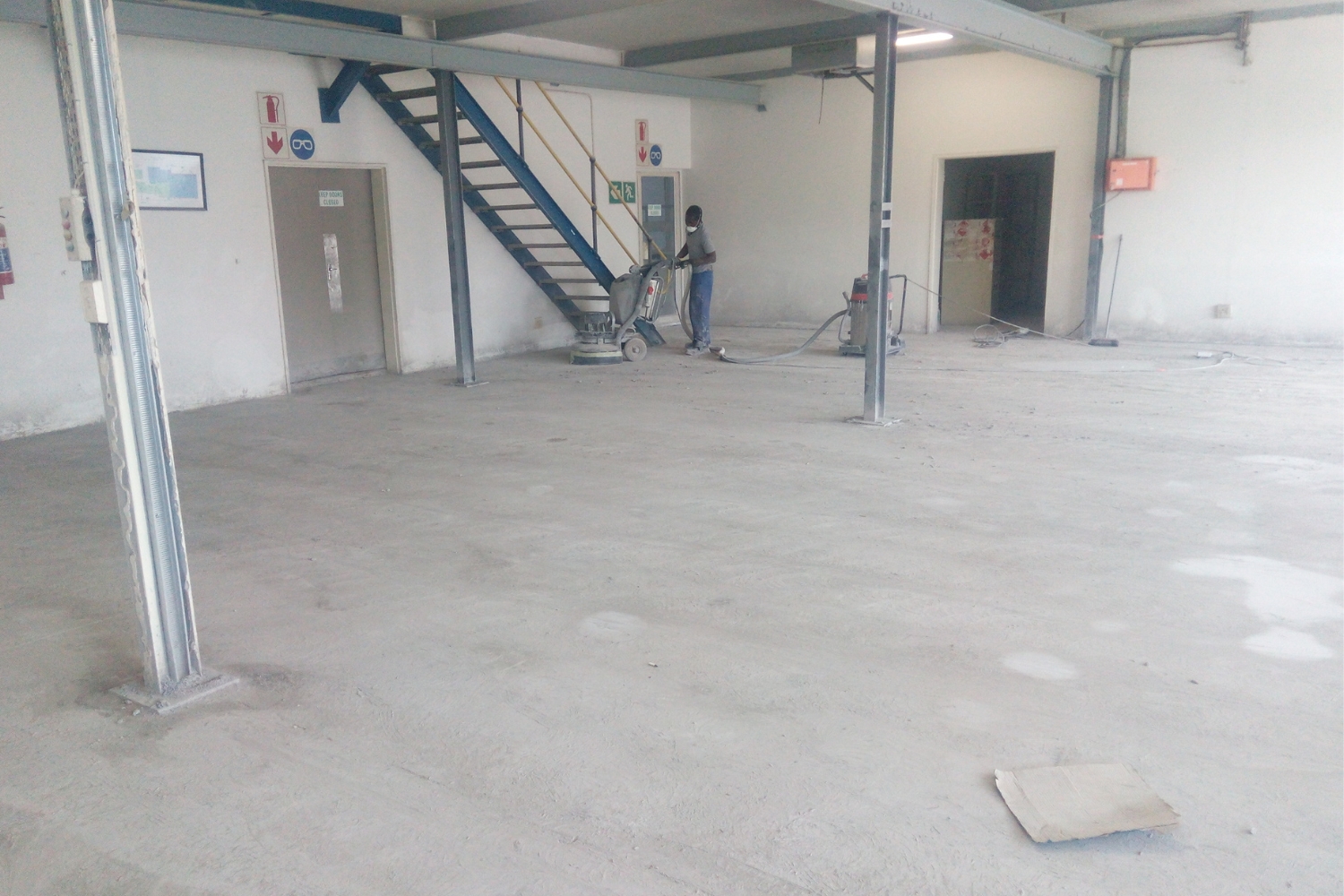
Factory Floor Before - Ground and Ready for Epoxy
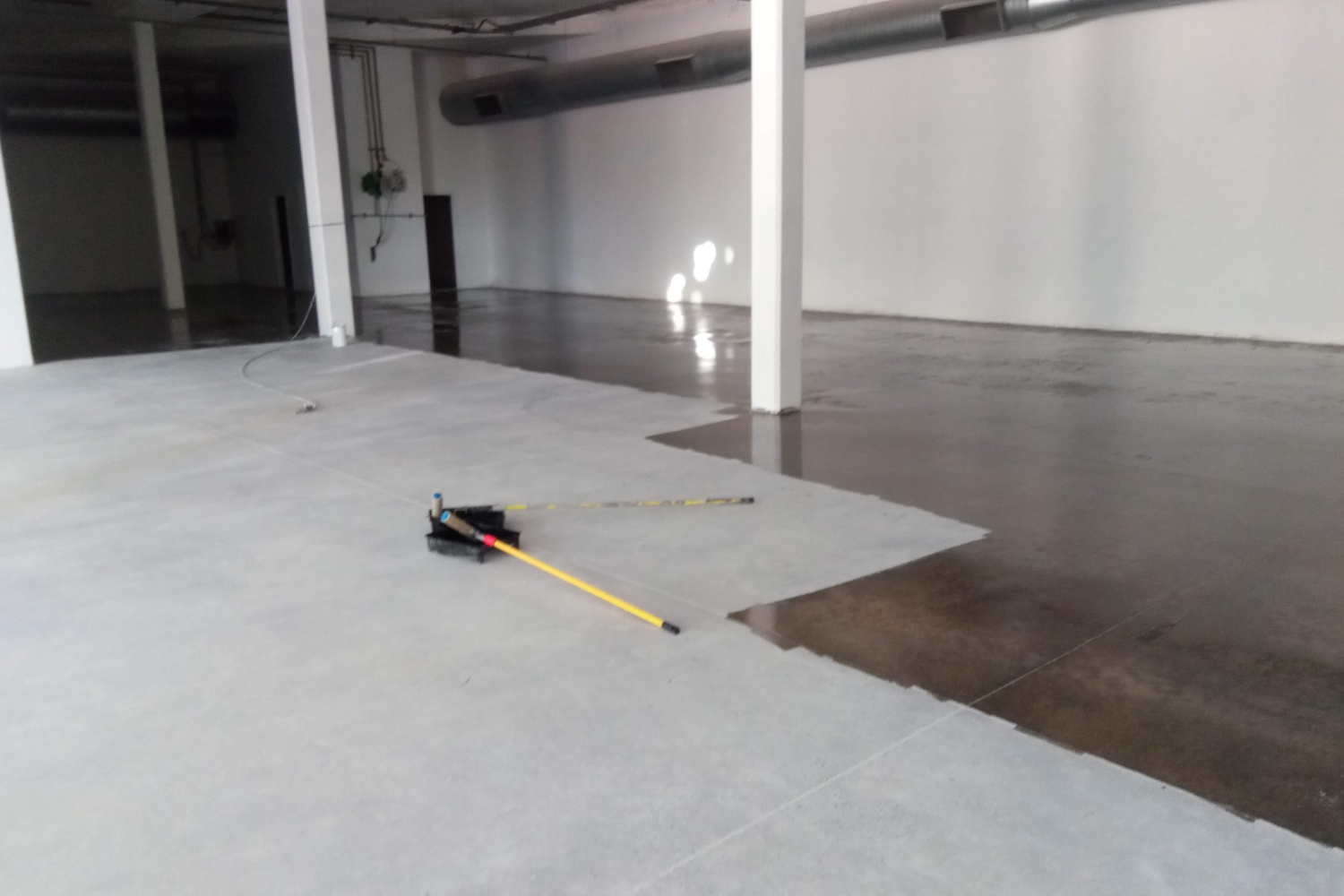
Hyundai Garage Floor Before - Ground and Ready for Epoxy
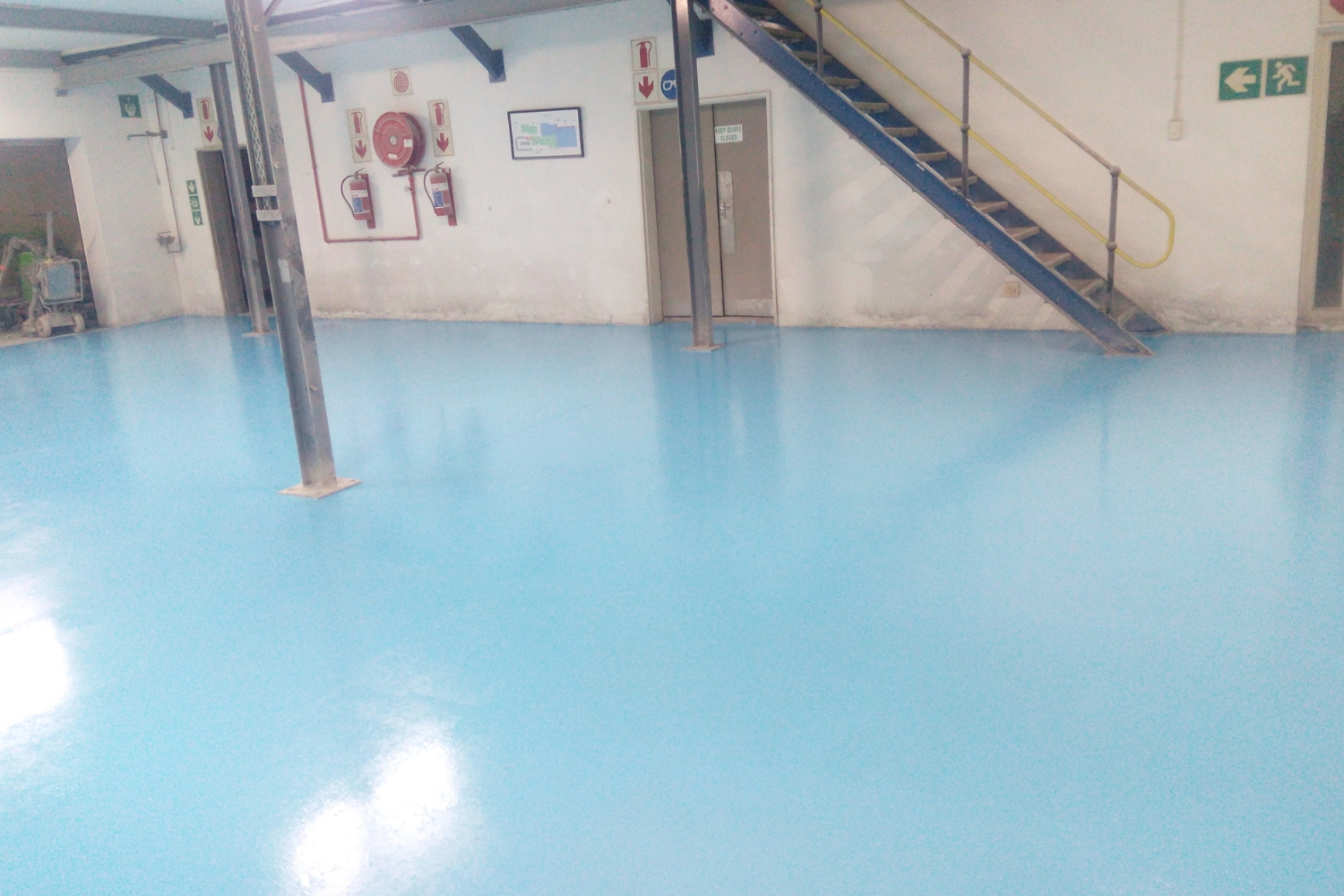
Factory Floor After Blue Epoxy
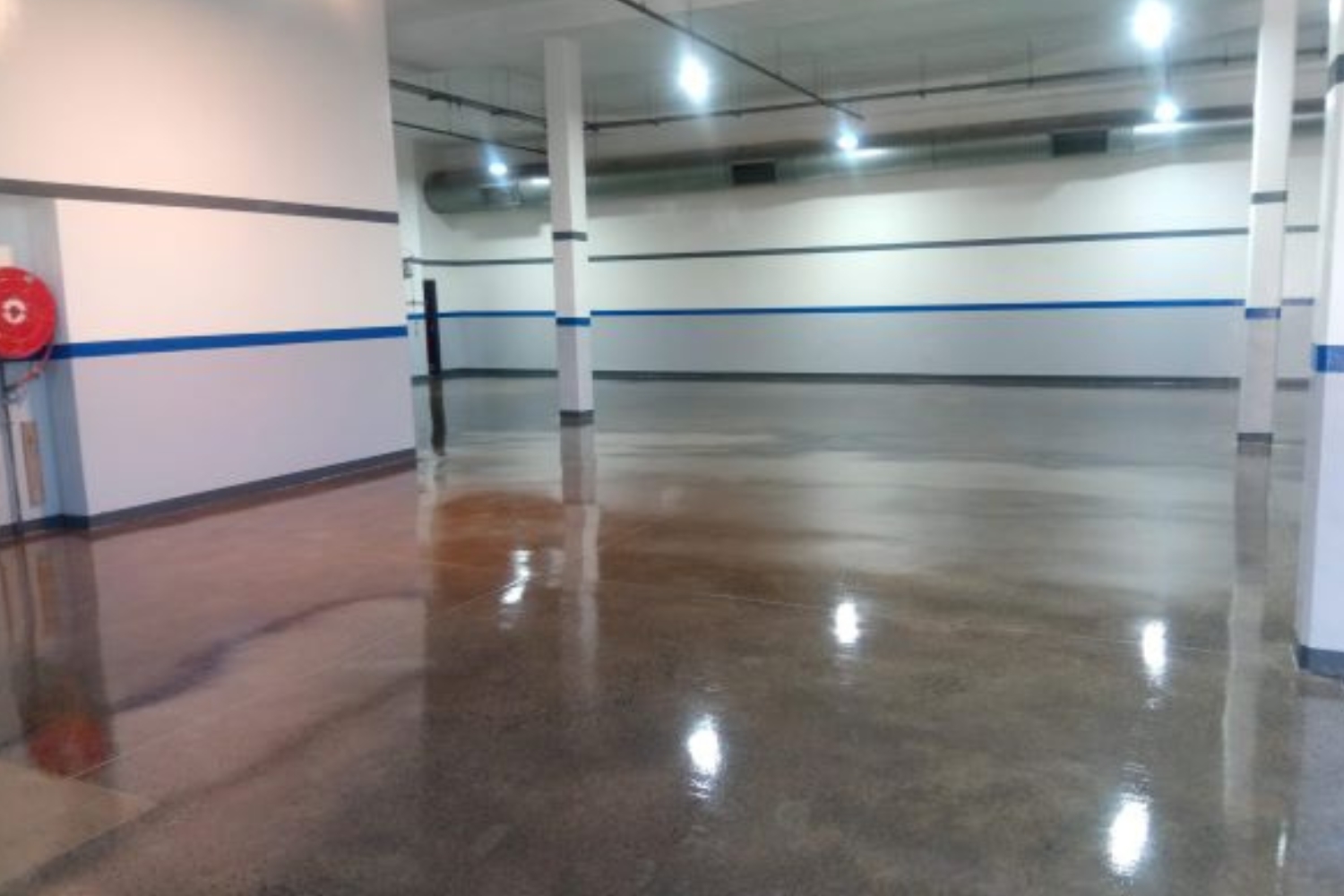
Hyundai Garage Floor After Epoxy With Silane Finish
WHAT WE CAN DO FOR YOUR FLOOR
Kya Warehouse Before Epoxy - Grinding Floor to Remove Contaminants
Kya Warehouse After Epoxy - Finished with MM Combo and Burnished
Factory Floor Before With Old, Worn Epoxy